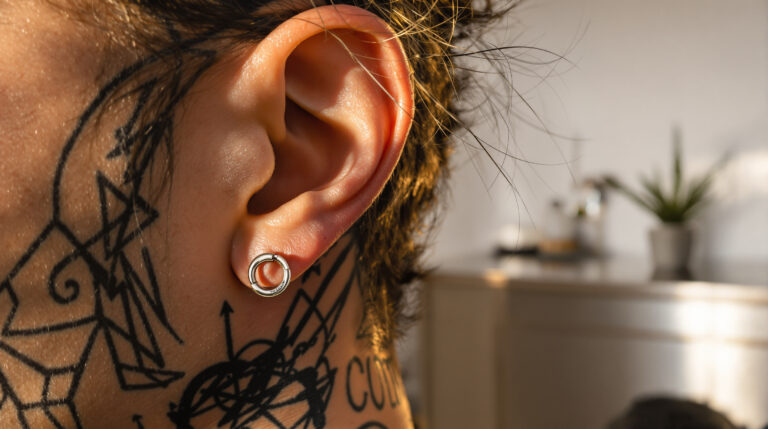

Picture this: you step into a cozy tattoo and piercing studio after battling the sharp chill of a UK winter. The warm hum of the tattoo machine contrasts starkly with the biting cold outside. As you settle in, you notice how your ears, adorned with different metals, react with divergent sensations to the winter air. This subtle experience is more common than you think and highlights the fascinating interaction between Titanium, Surgical Steel, and our bodies in colder weather.
Understanding the Chill: How Titanium and Surgical Steel Affect Your Ears in Cold Weather ❄️💉
When temperatures drop, your ears’ sensitivity can skyrocket, especially if you wear piercing jewelry made from different metals. The way Titanium and Surgical Steel conduct temperature varies dramatically, directly impacting comfort, skin reaction, and the dreaded sting of cold metal against tender skin.
The Sensory Symphony: From Buzz of the Needle to Cold Sensations 🎧❄️
Imagine the distinct sensation when a titanium stud meets your ear versus a surgical steel one as you step into the chilly outdoors. Titanium’s thermal conductivity is significantly lower than that of surgical steel, meaning it doesn’t transfer cold as quickly, keeping your ears feeling warmer during those frosty December mornings.
In contrast, surgical steel’s higher thermal conductivity can make your ears feel like they’ve met an icy metal blade—uncomfortable, sometimes even painful, especially for those with hypersensitivity or prone to skin irritation. This difference can be a game-changer for anyone with sensitive ears navigating winter’s extremes.
Materials 101: Why Titanium’s Lightweight, Hypoallergenic Magic Works Wonders During Winter
Titanium is not only lightweight but also hypoallergenic, a crucial factor for winter when skin can become extra dry and reactive under layers of scarves and woolly hats. Its biocompatibility means it’s less likely to inflame or cause allergic responses aggravated by winter weather’s drying effects.
Beanie Season Hazard: How Winter Hats Can Ruin Your Fresh Helix Piercing
Furthermore, titanium offers a versatile range of colours thanks to anodisation, letting you play with vibrant styles while keeping comfort intact—even as your skin endures the season’s harshness. This combination makes titanium piercings perfect for the cold months.
Why Surgical Steel Remains a Popular Choice Despite the Winter Chill 🛠️🌬️
Don’t mistake surgical steel’s cold touch for a flaw; it’s a durable, affordable, and shiny metal that resists scratches and corrosion. For many, especially those without metal allergies, surgical steel earrings offer a sleek, minimalist look that endures day-to-day wear and winter weather alike.
However, because it often contains nickel, it may trigger metal allergies in susceptible individuals, especially when winter’s dry conditions exacerbate skin sensitivity. Choosing surgical steel requires awareness of your skin’s tolerance and sometimes a careful balance of style, budget, and comfort.
Coping with Winter Piercing Challenges: Tips for Cold Weather Jewelry Care 🧣❄️
Winter’s chill brings unique challenges, especially for fresh piercings or those with sensitive skin. Layering scarves or chunky wool hats can irritate ear piercings by catching on jewelry or causing friction against healing skin. Here’s how to keep your ears happy:
- 💧 Hydrate your skin regularly with fragrance-free moisturisers to combat dryness.
- 🥶 Avoid metal piercing lots touching bare skin in freezing air; opt for titanium jewelry for less temperature shock.
- 🧼 Maintain gentle cleaning with hypoallergenic soaps, especially if your skin reacts easily due to cold.
- 🧣 Be mindful of scarves; choose fabrics that are soft and less likely to snag on piercings.
A Touch of Winter Wit: When Piercing Pain Gets ‘Spicy’ 🌶️😂
Ever felt that sudden zap when surgical steel earrings seem to challenge the cold, almost daring you to tough it out? You’re not alone! Cold metal can turn a stylish accessory into an unexpected surprise zone—especially on those “spicy spots” where nerves are closer to the skin. Let’s just say, titanium could be your winter hero if icy ears aren’t your thing.
Choosing Your Metal Wisely: Balancing Style, Comfort, and Winter Skin Health
Picking between titanium and surgical steel comes down to personal needs but knowing how your ears react in the cold helps make the right choice:
- 💡 Titanium: Best for sensitive skin, initial piercings, and those wanting a lightweight, warm feeling.
- 💰 Surgical Steel: Offers affordability, durability, and excellent aesthetics for those without nickel allergies.
- 🛡️ Hypersensitive Ears: Lean towards titanium for less risk of skin irritation and cold discomfort.
- 🎨 Style Options: Titanium’s anodized colours can brighten up bleak winter days.
Consult a piercing professional if you’re uncertain—your skin and ears will thank you in the long run.
“Your body is a canvas, and each choice in adornment tells a story of who you are, even through the coldest days.”
Winter is not just a challenge for your skin and piercings but also an opportunity to embrace new styles and take extra care of your body art. Whether you choose titanium’s soothing touch or surgical steel’s resilient shine, being informed empowers you to enjoy accessorising through the season. Stay warm, stay stylish.