Choosing the appropriate pot size for your plants might seem trivial at first glance, but it plays a significant role in their health and growth. Imagine a thriving garden filled with vibrant flowers and lush greenery, each plant flourishing because it has the right space to breathe and grow. In this journey of container gardening, understanding pot sizes is a crucial step towards achieving a joyful outdoor environment filled with life.
Why Pot Size Matters 🌱
Think about squeezing into a pair of shoes that almost fit—uncomfortable, right? Plants experience that same discomfort without the ability to express it. The size of the pot directly impacts root space, drainage, and even the soil volume available for nutrients. A too-small pot keeps roots cramped, leading to stunted growth and droopy leaves. On the other hand, a pot that’s too big can drown roots in soggy soil, causing rot and inviting pests.
Guidelines for Choosing Pot Sizes 📏
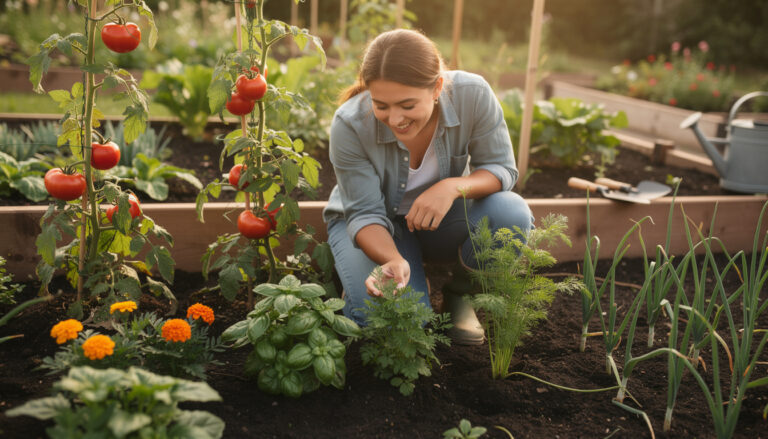
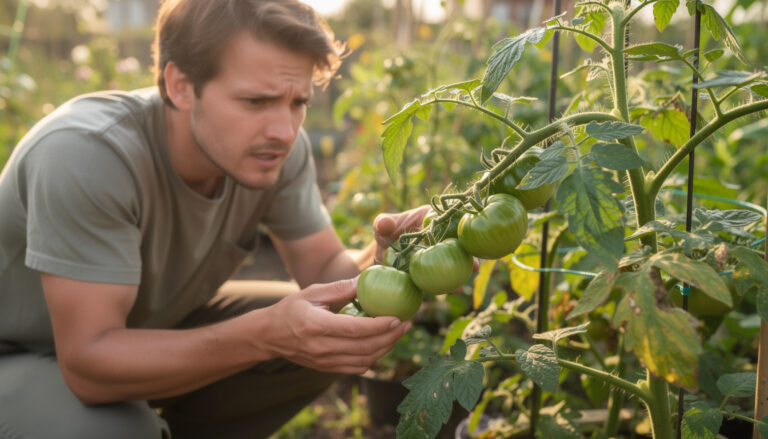
Let’s make it easier with some guidelines. The general rule is to choose a pot that’s 1-2 inches larger in diameter than the current pot when repotting. For example, a plant that’s currently in a 6-inch pot should move to an 8-inch one. However, it’s essential to know your plant’s characteristics. For fast-growing varieties like tomatoes, a minimum of 5 gallons is recommended to give them room to spread their roots.
- Basil: 8–10 inch pot 🌱
- Tomatoes: Minimum 5 gallons (around 12-inch diameter) 🍅
- Succulents: 4–6 inch shallow bowls 🌵
Main Mistakes in Potting 🚫
Choosing the wrong pot size isn’t just a small error; it can lead to a tragic end for your plants. Some key mistakes include:
- Pitting a tomato plant in a 1-gallon pot will result in a sad, stunted tomato tree sapling. 🌳
- Letting mint invade your entire herb garden can quickly turn your pots into a botanical battleground. 🪴
It’s essential to recognize the importance of proper container selection to avoid such mishaps.
The beginner’s guide to companion planting: how to design a perfect, pest-free garden this spring
The Importance of Drainage 🛠️
A crucial aspect to consider while choosing your pot is its drainage. If your container lacks drainage holes, you risk creating a swamp for the roots. Excess water will accumulate, leading to root rot. On the contrary, pots with drainage holes help ensure that excess water can escape, keeping your plants healthy and vibrant.
Repotting: When and How to Do It 🌿
Repotting is inevitable as your plant grows. Indications it’s time to repot include:
- Roots protruding from the bottom 🌍
- Soil that dries out excessively fast 💧
- Stagnant growth despite proper care 🌼
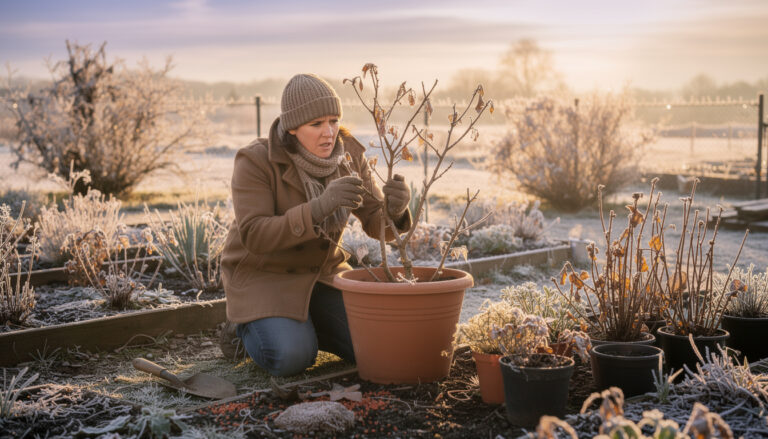
When repotting, make sure to use fresh potting mix and increase the pot size by just 1–2 inches in diameter to prevent overwhelming the roots.
Final Thoughts on Container Gardening 🌺
Understanding the nuances of pot sizes is more than just a gardening skill; it’s a gateway to creating an outdoor oasis. By giving each plant the space to thrive, you’ll watch your garden flourish with beauty and vitality. Remember, whether you’re nurturing herbs on a windowsill or nurturing a tomato plant in your backyard, choosing the right pot size can make a world of difference!