
It’s that enchanting time of year when the garden awakens from its winter slumber, and the first flickers of green start to emerge. There’s nothing quite like the thrill of digging into the earth again, feeling the warmth of spring sunshine on your back, while the melodious chirping of birds serenades you. Just the other day, I opened a box filled with seed packets from last year—a colourful array of possibilities! As the sunlight streamed through my window, I wondered about the best ways to keep them viable for future planting. After all, my gardening adventures depend heavily on proper seed storage.
The Key to Successful Seed Preservation
Seed viability is all about creating the perfect environment. Seeds are like little time capsules, waiting for the right moment to flourish. To prevent them from becoming relics of the past, it’s crucial to protect them from heat, moisture, and light. These elements can quickly turn hopes for a thriving garden into a wilted dream. Let’s explore how to ensure that seeds stay viable for years to come!
- Cool Storage: Aim for temperatures between 0-5°C (32-41°F) 🌡️
- Dry Environment: Keep humidity below 50% to avoid mold and deterioration 🌬️
- Dark Spaces: Light can activate seeds prematurely, so store them in opaque containers 🌑
“Nature does not hurry, yet everything is accomplished.” — Lao Tzu
Understanding the Lifespan of Seeds
Every type of seed has its own lifespan, often dictated by its natural characteristics. For example, tomato and cucumber seeds can remain viable for up to six years, while onion and parsley seeds may only last one to two years. Knowing these timelines can help inform how you manage your seed stock.
Organising seeds by their longevity can save a lot of headaches. Creating small labels or using envelopes can keep track of when you obtained them and how long they might last. This thoughtful organisation makes planting easier, especially when the time comes to sow those seeds!
It’s not water: the subtle, shocking reason yellowing leaves appear in healthy winter houseplants
Mastering the Art of Seed Drying
Before packing seeds away for the long haul, it’s essential to dry them properly. Freshly collected seeds can carry excess moisture, which might lead to rot if sealed too soon. The best technique is to spread them out in a single layer on a paper towel or a fine mesh in a shaded area. This step ensures they stay in pristine condition.
- Use fine mesh or paper towels for drying 🌱
- Ensure a shaded, breezy area to prevent sun damage ☀️
- Store only when completely dry to avoid mildew ✋
Choosing the Right Containers for Seed Storage
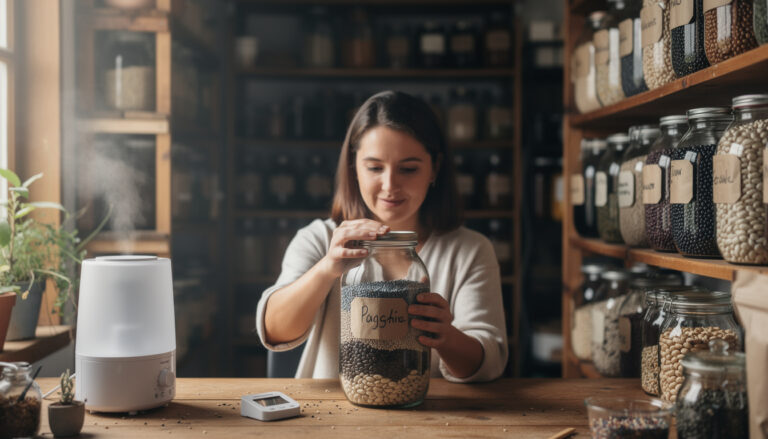
The right container can make all the difference in maintaining seed longevity. Airtight containers, such as glass jars or high-quality plastic bags, are ideal. Adding a silica gel packet can help absorb any lingering moisture and keep seeds fresh. Remember, paper packets often aren’t suitable for long-term storage due to their breathable nature.
Many enthusiasts even opt for refrigeration to prolong seed life! It’s a fantastic method as long as the seeds are adequately sealed in an airtight container. A cool, consistently low temperature slows down the seeds’ biological clock, weaving the magic of longevity into your gardening endeavours.
Preventing Common Mistakes in Seed Storage
Bringing Your Seeds to Life