
The vibrant scent of lilacs filling the air and the first blooms of the season seem like a sweet reward for the patience we showed throughout winter. There’s something magical about watching your garden come alive again after the frosty months, and one of the most satisfying aspects of gardening is properly maintaining the plants you cherish. For anyone keen on giving their shrubs the best chance to flourish, it’s crucial to understand the timing of pruning. Indeed, knowing the best time of year to prune can mean the difference between a garden filled with blooms and a rather barren landscape.
Key Points to Remember 🗓️
- Spring-Flowering Shrubs should be pruned right after they’ve bloomed for best results.
- Summer-Flowering Shrubs benefit from pruning just before new growth begins in late winter to early spring.
- Pruning at the wrong time can hinder blooming and weaken your plants! 😱
- Seasonal care is essential for maintaining health and aesthetics in your garden.
“To plant a garden is to believe in tomorrow.” – Audrey Hepburn
Understanding the Shrub Types 🌳
Every gardener knows that not all shrubs are created equal. Some bloom on old wood while others do so on new growth. Recognizing these categories is essential for effective pruning!
- Spring-Flowering Shrubs: Examples include lilacs and forsythia. These bloom on stems that grew the previous year.
- Summer-Flowering Shrubs: Think of hibiscus and butterfly bushes. These beauties flower on new wood, so timing is crucial!
Identifying the type of shrub in your garden is the first step towards maximizing its flowering potential.
When to Prune Different Types of Shrubs ✂️
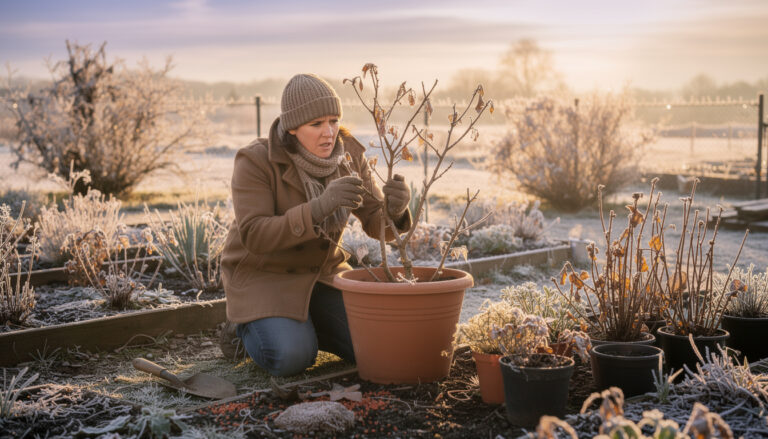
The essence of effective shrub maintenance lies in understanding the timing for pruning. Late winter to early spring is generally the ideal window for many shrubs.
Stop them digging: the safe, easy method to keep cats out of your fragile winter flowerbeds
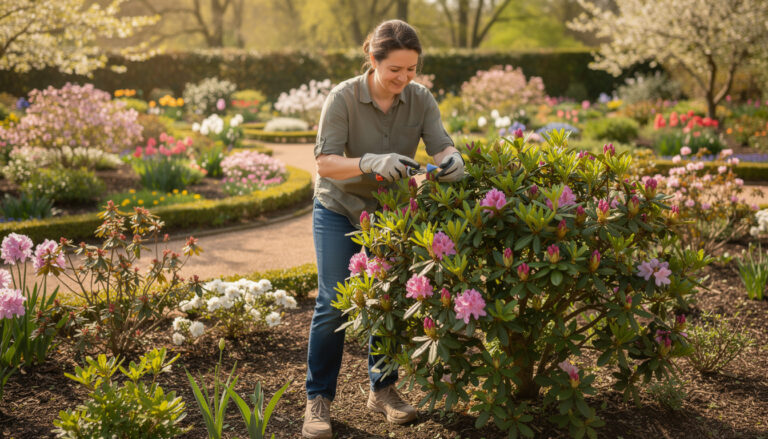
- For Spring-Flowering Shrubs: Prune right after the flowers fade—usually in late spring or early summer. This preserves the buds for the following season!
- For Summer-Flowering Shrubs: Aim for late winter to early spring, as this helps encourage new growth just in time for summer’s splendor.
- Evergreens: Best pruned in late winter before new growth begins to sprout.
Awareness of these timelines can elevate your garden game considerably and ensure those blooming beauties stand out year after year.
Practical Pruning Techniques 🛠️
It’s not just about knowing when to prune; the technique you use plays a significant role too! Here are a few practical tips for effective pruning:
- Light Pruning: Remove only dead or damaged branches. It’s better to maintain the overall shape without disturbing the flowering buds.
- Thinning: If a shrub feels too dense, thin out some branches to boost air circulation, which is vital for a healthy plant.
- Shaping: Craft a pleasing silhouette by cutting excess growth while ensuring the older wood remains intact to support blooming.
Pruning doesn’t have to be a chore; think of it as a gentle touch-up for your shrubs, helping them look and feel their best.
Maintaining Your Garden All Year Round 🌼
Regular maintenance keeps your garden looking its finest. Here are some tips to help you stay on track:
- Invest in Good Tools: Quality pruning shears can make a world of difference, ensuring clean cuts that promote healthy growth.
- Keep an Eye on Weather: Timing trimming to avoid frost can prevent damage, so plan accordingly.
- Assess Plant Health: Understanding the overall health of your plants will guide your decisions on when and how much to prune.
With a bit of foresight and attention, careful maintenance will reward you with a vibrant and flourishing garden.