As spring unfolds her vibrant tapestry, the gardens begin to bloom in an explosion of colour, turning every outdoor space into a breathtaking visual delight. I still vividly remember the first time I pruned my forsythia; it was as if I could almost hear it sigh with relief as I snipped away the old and dead wood, allowing new growth to burst forth with enthusiasm. The scent of fresh blossoms filling the air, the warmth of sunlight kissing the newly exposed branches – it’s a sensory feast, and it marks the start of another glorious gardening season.
Key Points to Remember 🌸
- Timing is everything⏰: Prune spring-blooming shrubs right after their flowers fade.
- Healthier plants🌱: Pruning removes dead or damaged wood, promoting better air circulation.
- Maximize blooms🌼: Focus on stimulating growth for next year’s flowers.
- Tools matter🛠️: Use clean, sharp tools to prevent spreading diseases.
“Nature does not hurry, yet everything is accomplished.” – Lao Tzu
Understanding the Importance of Pruning 🧡
The significance of pruning spring-flowering shrubs cannot be overstated. This craft not only enhances the aesthetic appeal of the garden but also plays a crucial role in promoting healthy plant growth. By removing dead or unhealthy branches, air circulation improves, reducing the risk of pests and diseases. The excitement builds each year as the freshly pruned shrubs seem to respond with an impressive display of flowers, vibrant and abundant, as if they are showing off just for you!
For instance, lilacs, with their heavenly fragrance and rich colour, flourish after proper pruning. The first time I trimmed mine, I was slightly nervous. But upon witnessing their spectacular blooms the next spring, I felt a great sense of accomplishment. From that point on, I became a steadfast advocate of spring pruning.
Timing the Pruning 🗓️
Knowing when to prune spring-blooming shrubs is paramount. As a general guideline, these plants flower on “old wood” from the previous season. 🌳 Immediately after the flowers have faded, typically between late spring and early summer, is the prime window for pruning. Waiting until fall or late summer can mean sacrificing the following year’s blooms—an all-too-common pitfall for many gardeners. So be mindful, and let your gardening journey thrive!
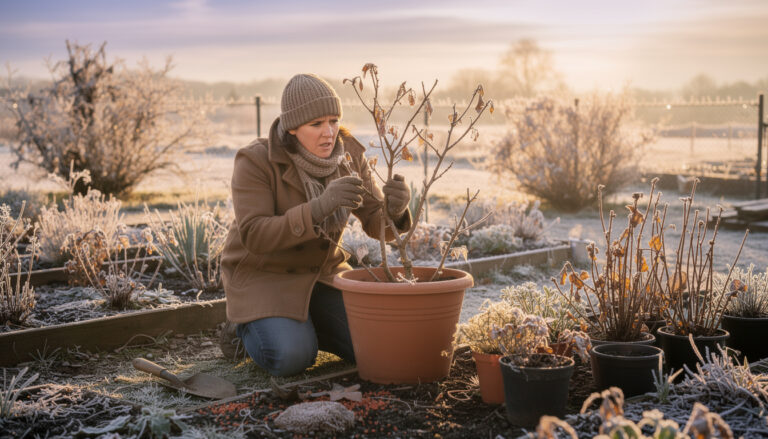
The essential pot-size rule you must follow to protect roots from devastating winter cold damage
- Forsythia: Trim after the bright yellow blooms fade in early spring.
- Lilacs: Prune once their fragrant blossoms drop, usually in late spring.
- Azaleas & Rhododendrons: Snip them after their colourful displays are spent, often in early summer.
Tool Time: Essential Gardening Equipment 🛠️
Before diving into pruning, it’s crucial to assemble the proper tools. Keeping them clean and sharp ensures that each cut is precise, allowing for effective plant maintenance. Here are the essentials:
- Hand pruners: Best for small branches, cutting smoothly through stems up to ½ inch thick.
- Loppers: Ideal for branches ranging from ½ to 1½ inches thick.
- Pruning saws: Perfect for larger branches needing more than a little persuasion.
- Gloves: A tiny, but necessary exhaust for those prickly thorns!
- Disinfectants: Wiping tools with rubbing alcohol or a gentle bleach solution helps avoid cross-contamination.
Pruning with Precision 💪
Cleaning up the shrubs can seem daunting, but with adequate knowledge, it becomes an enjoyable task. Start by assessing the shrub; inspecting for dead or diseased branches before proceeding to make cuts keeps everything healthy. Notice the shrub’s natural shape to guide your cuts; this way, you can shape it beautifully while promoting balanced growth.
Make sure to remove problematic branches at their base, ensuring that the shrub maintains its vitality. Remember to thin out older stems—this approach boosts air circulation and allows sunshine to reach the inner branches. After pruning, remove fallen debris to deter pest infestations and give your plants a thorough drink to help them recuperate after their trim.
Wrap it Up and Enjoy the Show 🎉
In the end, the rewarding spectacle of blossoms and the healthy green foliage that follows a splendid pruning session makes it all worthwhile. Engaging in regular pruning, while respecting the unique blooming cycles of each species, sets the stage for a vibrant display to come. So grab those pruners, channel your inner horticulturist, and prepare for a breathtaking spring that leaves both you and your garden brimming with joy!