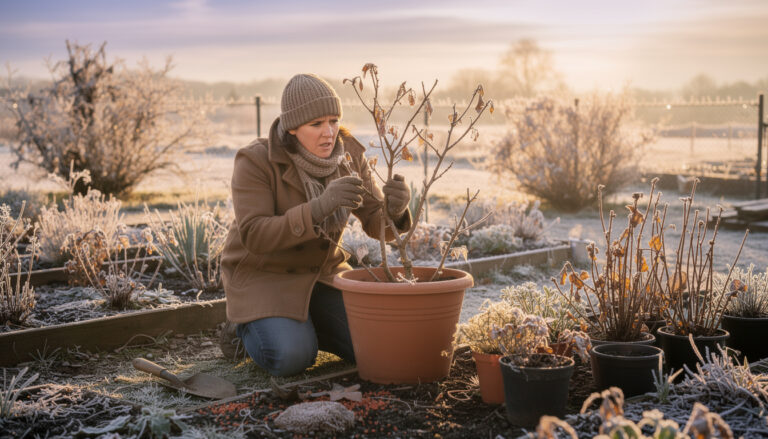
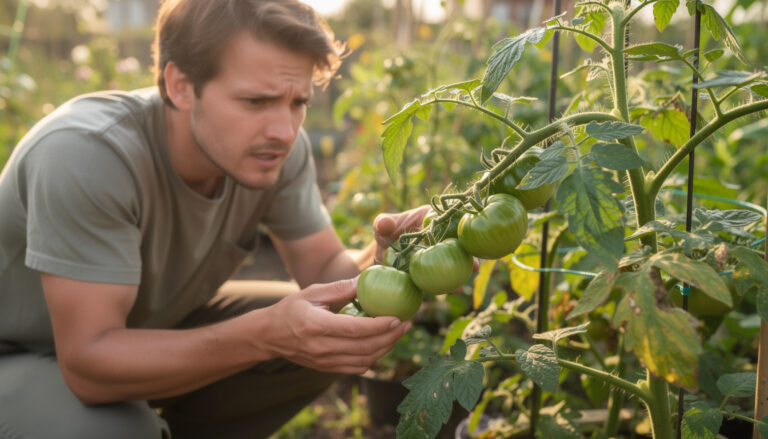
As the chill of winter sets in, the garden might seem quiet and subdued, but don’t let that fool you—the battle against aphids is far from over! These tiny intruders, often hiding on the undersides of leaves, tend to regroup for a fierce return come spring. With a little proactive planning, it’s entirely possible to safeguard your plants and keep these pests at bay. Here’s a friendly guide to fortifying your garden against aphids through a three-step organic strategy that’s as effective as it is eco-conscious. 🌱
Understanding the Threat of Aphids
Aphids may be small, but they can wreak havoc on even the healthiest of gardens. These sap-sucking pests can drain the nutrients from your cherished plants, leading to curling leaves and a sticky honeydew residue that invites sooty mold. The trick is to understand their behavior and what attracts them. Typically, weaker plants fall prey to these critters, so it’s essential to keep your garden vibrant and robust during the colder months. 🍃
Key Points to Remember
- 💪 Strengthen your plants: Healthy plants naturally deter aphids.
- 🌼 Promote beneficial insects: Ladybugs, lacewings, and hoverflies are natural predators of aphids.
- 🧪 Use organic treatments: Avoid harsh chemicals to maintain an eco-friendly garden.
“Nature does not hurry, yet everything is accomplished.” – Lao Tzu
Step 1: Fortify Your Soil
The foundation of a healthy garden begins below the surface. Enhancing your soil with well-rotted compost not only enriches its nutrient content but also improves its structure, enabling better water retention. A hearty soil encourages plant vigor, warding off aphids with ease! Getting those nutrients into the ground now will pay off when spring arrives, and your plants are ready to grow. Just think of it as preparing a strong defense before the battle begins. 🛡️
Step 2: Invite Nature’s Allies
Creating a welcoming habitat for beneficial insects might be the best defense against aphids. Planting a diverse mix of flowers such as dill, fennel, and calendula will attract ladybugs and lacewings, those little heroes ready to munch on aphids. These insects love the nectar and pollen from these flowers, making your garden a sanctuary for their populations. Consider them your natural allies in the fight against pests, reducing the need for any chemical intervention. 😊
Simple Rule for Choosing the Right Pot Size
Step 3: Implement Organic Aphid Treatments
Despite your best efforts, sometimes aphids will invade. When that happens, an organic spray made from soap or neem oil can be a game-changer. Simply mix a few drops of pure castile soap with water and spray it directly onto the infestation. This method is effective in dislodging the pests without causing harm to your plants. 💦 Remember, thoroughness is key—ensure every leaf, especially those pesky undersides, is coated. A little persistence can go a long way in this battle!
As winter blankets the garden, it presents a unique opportunity to set the stage for a thriving ecosystem come spring. By implementing these three strategic steps, you can effectively prepare your defenses against aphids and enjoy a healthier garden environment. Don’t forget to monitor your plants regularly; vigilance is a gardener’s best tool! Returning to a vibrant, flourishing garden next season will be a reward well worth the effort. Keep cultivating those green thumbs! 🌸