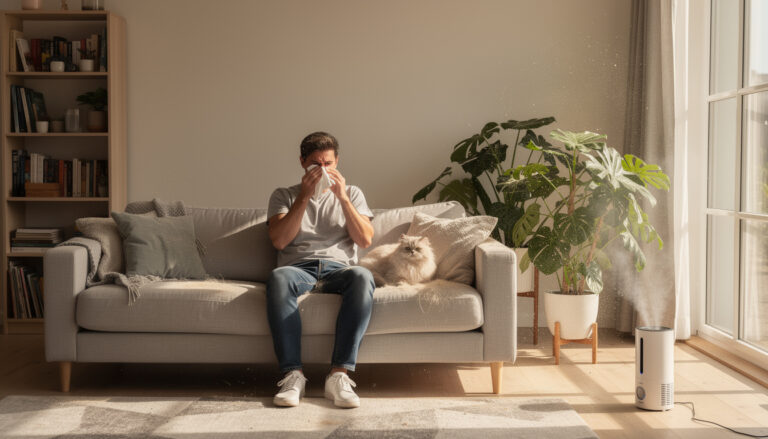

Waking up in the morning, surrounded by the soft light filtering through the curtains and the comforting smell of coffee brewing in the kitchen, should be a blissful experience. Yet, for many, it often goes hand-in-hand with a sneezing fit or itchy eyes. It’s frustrating, especially when all the windows are closed and the doors are shut tight. The allergens are still sneaking in, which may leave one wondering: what at home is causing this havoc?
Understanding Common Allergy Triggers at Home
Allergies can stem from many unexpected sources lurking in your home environment. Here are some surprising culprits that could be exacerbating your symptoms:
- Dust Mites 🕷️: These tiny creatures thrive in bedding and upholstery, and they love a humid environment.
- Mold 🌱: Often hiding in damp corners or on bathroom tiles, mold spores can trigger respiratory issues and skin irritation.
- Pet Dander 🐾: Even though our furry friends bring so much joy, their skin flakes and saliva can be troublesome for sensitive individuals.
- Household Irritants 🧴: From cleaning products to air fresheners, many everyday items can aggravate allergies. The strong fragrances often used can irritate the respiratory tract.
The Hidden Dangers of Mold
Mold isn’t just an unsightly problem; it’s a sneaky allergen that can hide in places you wouldn’t think to look. It flourishes in damp, dark areas like basements or behind bathroom tiles. The mere thought can be overwhelming; however, taking proactive measures can lead to significant relief. Regularly check for leaks, and don’t forget to keep an eye out for any discoloration in your walls or ceiling. If you spot any black mold, don’t hesitate—reach out to a professional for safe removal.
Dust Mites: The Unseen Invaders
When the sun shines just right, and you see those tiny particles floating in the air, you might not realize that they could be dust mites’ droppings. These pesky critters can lead to itching and congestion that ruin the best of days. Consider investing in dust-mite-proof covers for pillows and mattresses, and make a habit of washing bedding frequently on high heat to eliminate these unwanted guests.
Kicking Out Household Irritants
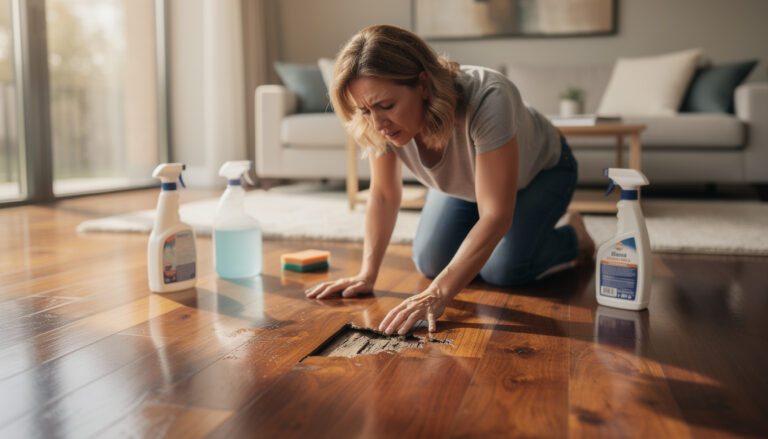
Many people love to use scented cleaning products, but what if they are doing more harm than good? Strong chemicals can easily trigger allergy symptoms. Opting for natural alternatives—think vinegar and baking soda—can keep your home fresh without inviting sneezes. Moreover, fragrance-free products can make a significant difference. Experimenting with homemade cleaners is not only budget-friendly, but it can also turn into a fun DIY project!
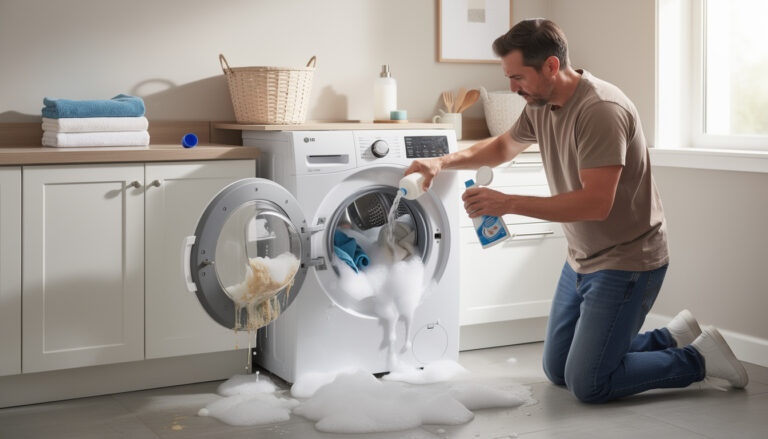
The common, expensive mistake homeowners make every day when using their crucial washing machine
What About Pet Dander?
Those adorable pets that we love can be a source of allergens, too. Bathing them regularly can help reduce dander and keep the atmosphere healthier. It’s also wise to designate ‘pet-free’ zones within the house—think of bedrooms or even certain living areas—so everyone can find a space where they can breathe a little easier.
Taking Control of Indoor Air Quality
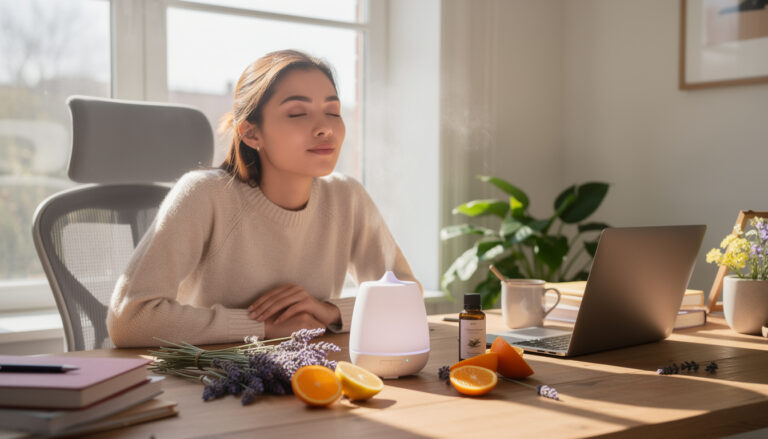
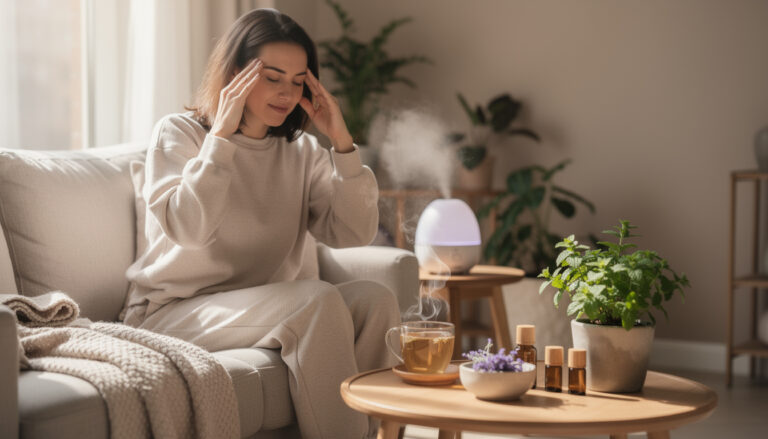
To combat these allergens effectively, keeping the air quality in check is vital. Consider investing in a quality air purifier equipped with HEPA filters. These devices can significantly reduce dust mites, mold spores, and pet dander, creating a more breathable atmosphere at home. Additionally, maintaining optimal humidity levels—ideally between 30% and 50%—can deter mold growth.
Mind Your Diet
Your allergies might not just come from your home environment but also from your kitchen. Certain foods can contribute to inflammation or may even trigger allergic reactions for some. Keeping a food diary can help track connections between what you’re eating and how you feel. Identifying potential offenders, such as dairy or gluten, may assist in creating a comfortable living space both physically and emotionally.
Making these small changes can lead to a fresher, more enjoyable living environment. Don’t hesitate to explore and adapt what fits your home best, and see how it positively influences your daily life. Everyone deserves to feel comfortable and content in their own space!