
As the chill of winter sets in and the festive season approaches, many of us embrace the warmth of our homes, retreating from the biting cold outside. It’s a time for cozy interiors filled with holiday cheer, but for the plants that share our living spaces, this warmth can be a double-edged sword. Over the years, I’ve learned that the very act of nurturing our indoor companions can sometimes become their downfall. The secret? The hidden dangers lurking in the watering can—overwatering. This silent killer not only threatens the vibrancy of your plants, but it can also lead to dire consequences just when you want your greenery to thrive the most.
Understanding Overwatering 🌧️
Overwatering is often a common pitfall that many plant parents fall into, especially during the colder months when indoor heating can alter moisture levels drastically. When plants sit in overly damp soil, their roots may become deprived of oxygen, leading to conditions like root rot. With the festive season just around the corner, keeping a keen eye on watering practices can help ensure your plants are healthy and resilient. 🌿✨
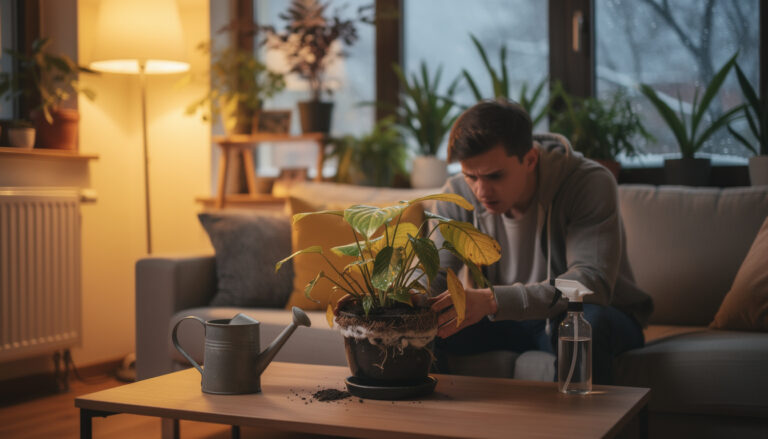
- Yellowing Leaves: A telltale sign of overwatering that no gardener wants to see.
- Wilting despite moist soil indicates that roots may be compromised.
- Mushy Stems: A soft stem is often a sign of trouble, hinting at internal decay.
“Nature does not hurry, yet everything is accomplished.” – Lao Tzu
Common Causes of Overwatering 🚿
It’s all too easy to overcompensate when caring for our indoor plants. Poor drainage, a fixed watering schedule, or simply a lack of knowledge about plant care needs can lead to excess moisture. My own journey involved steep learning curves as I discovered the delicate balance between hydration and suffocation.
During those early months of gardening enthusiasm, I often found myself anxiously assessing my plant’s needs. Was my *Fiddle Leaf Fig* looking droopy because it needed more water, or was it gasping for breath from too much? It’s undoubtedly a fine line to tread.
No sunlight? no problem: how to grow a full harvest of vegetables in dark, tiny spaces this winter
Signs Your Indoor Plants Are Suffocating 🚫
Recognizing the symptoms of overwatering before it’s too late is crucial. I remember the day I noticed my beloved peace lily showing signs of stress, and the guilt washed over me like a sudden rain shower. Here are a few signs to watch out for:
- Juvenile Leaves Dropping: Sudden leaf loss can indicate roots struggling.
- Visible Mold: If the soil starts to grow green fuzz, it’s time to reassess your watering habits.
- Foul Odours: A rotten scent can signal root rot lurking beneath the soil surface.
Practical Tips to Avoid Overwatering 💧
As we enter the holiday season, there are several ways to ensure your plants thrive without the risk of overwatering:
- Check the Soil: Always stick your finger an inch into the soil before watering.
- Use Drainage Pots: Invest in pots that have adequate drainage to prevent waterlogging.
- Monitor Conditions: Be mindful of how heated rooms affect water needs; humidity plays a key role!
The Road to Recovery from Overwatering 🔄
If you suspect your plants are already suffering, don’t fret! There are steps to revive them. Immediately withhold watering, improve drainage, and if necessary, repot them in fresh soil. What might seem like a tragedy can often turn into a revival with the right attention. I’ve seen many plants flourish after a bout of overwatering, reminding us of their resilience.
Embracing a Healthier Gardening Routine 🎉
The festive season is a whirlwind of joy, and keeping your indoor plants healthy during this time can bring so much added beauty to your celebrations. By learning to listen carefully to their needs, you can foster an environment where your indoor plants not only survive but thrive. Embrace this journey, make adjustments as needed, and enjoy the vibrant foliage that flourishes with your tender care. Remember, the joy of gardening is often about finding balance, and your plants will thank you for it!